Ergonomic Material Handling
2020 – 2024
Role:
Mechanical Engineer / Team Lead
Company:
RonI
Challenge
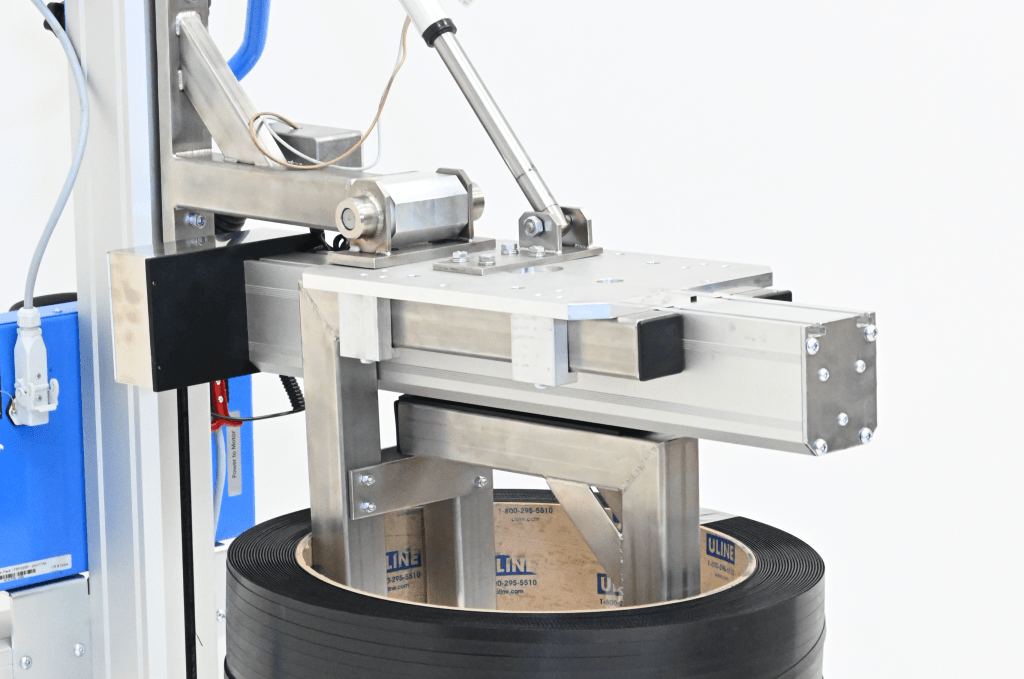
Companies in pharmaceutical, automotive, technology and many more search for solutions to material handling applications to improve work efficiency and quality of life of their employees. The products in this industry must be designed to meet load specifications while being ergonomically friendly, easy to learn and enjoyable to use. The wide range of applications pushed our in-house technical design team to research, collaborate and creatively solve problems through design of lifter, crane and overhead system product lines.
Design Goals
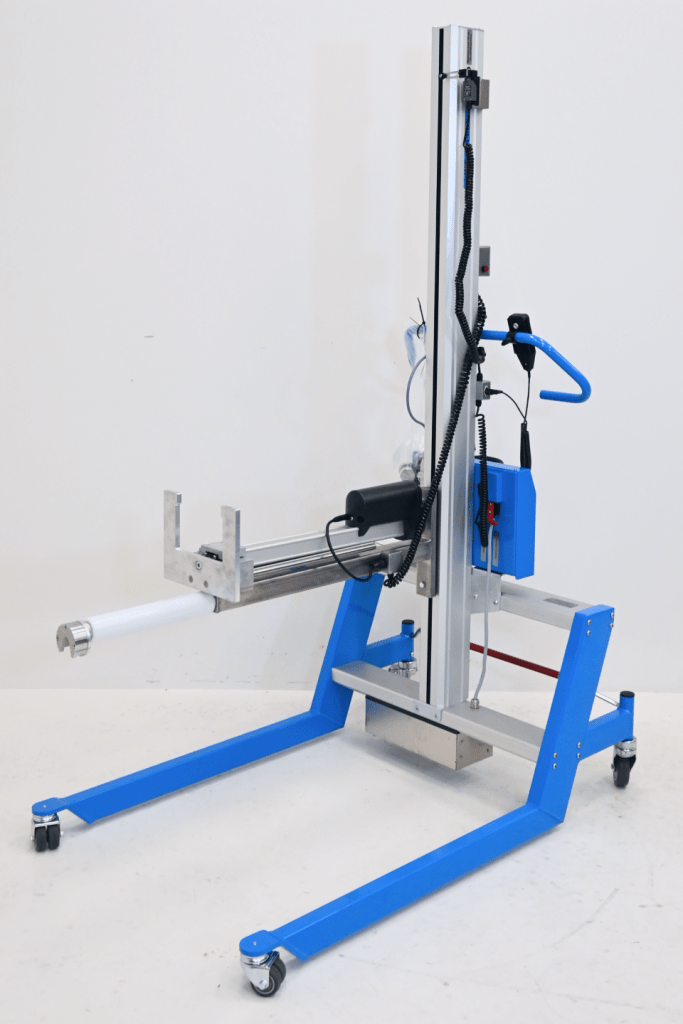
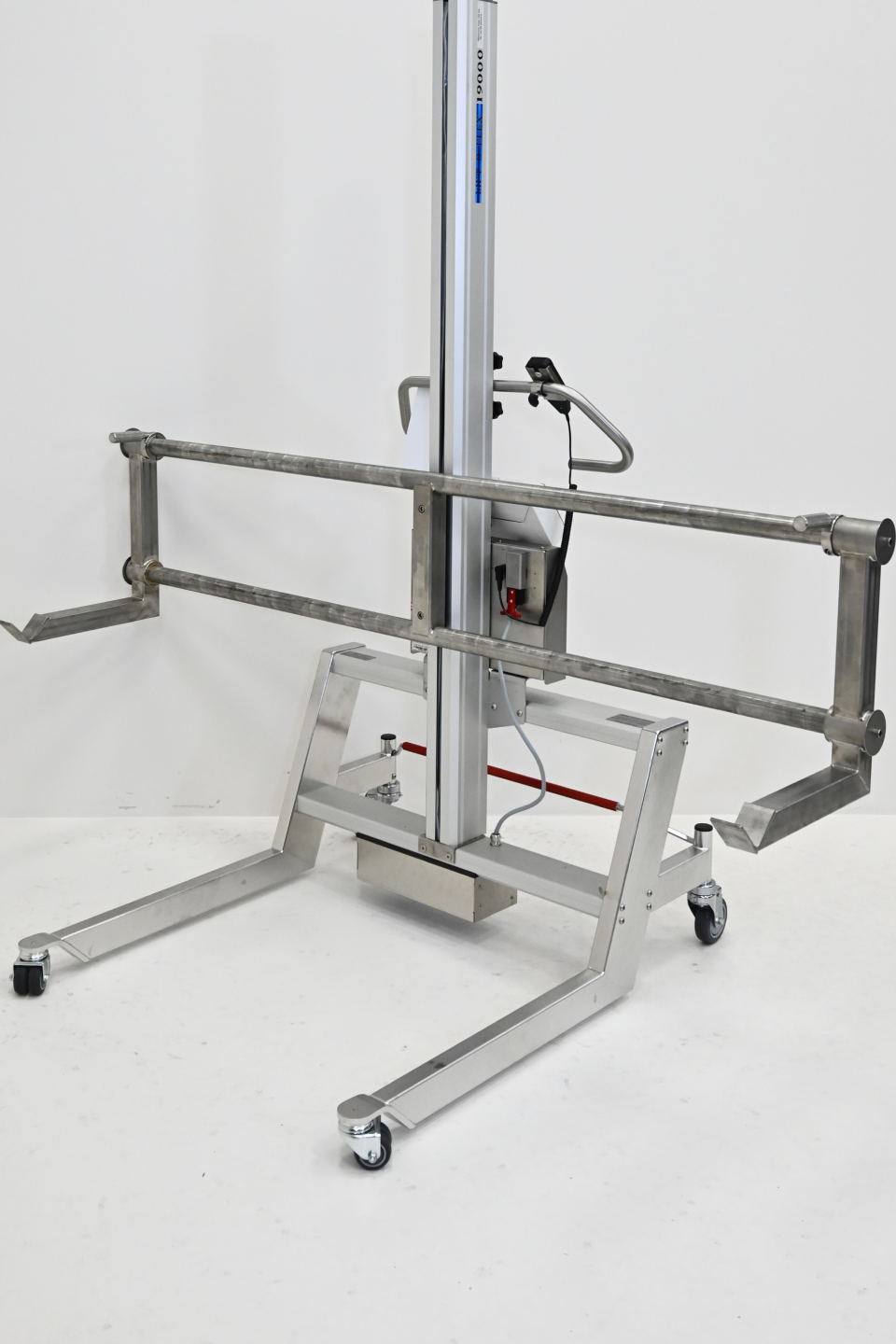
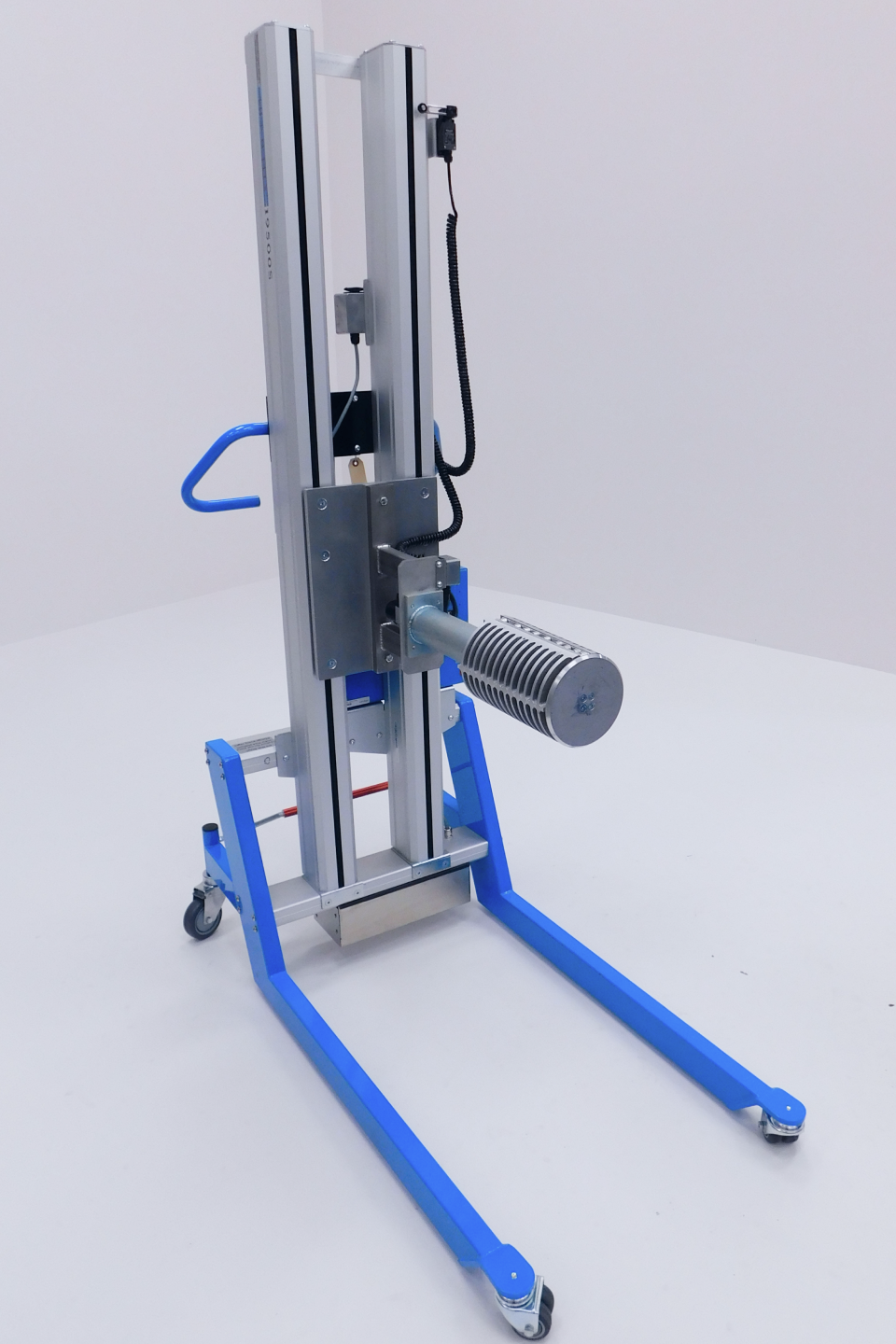
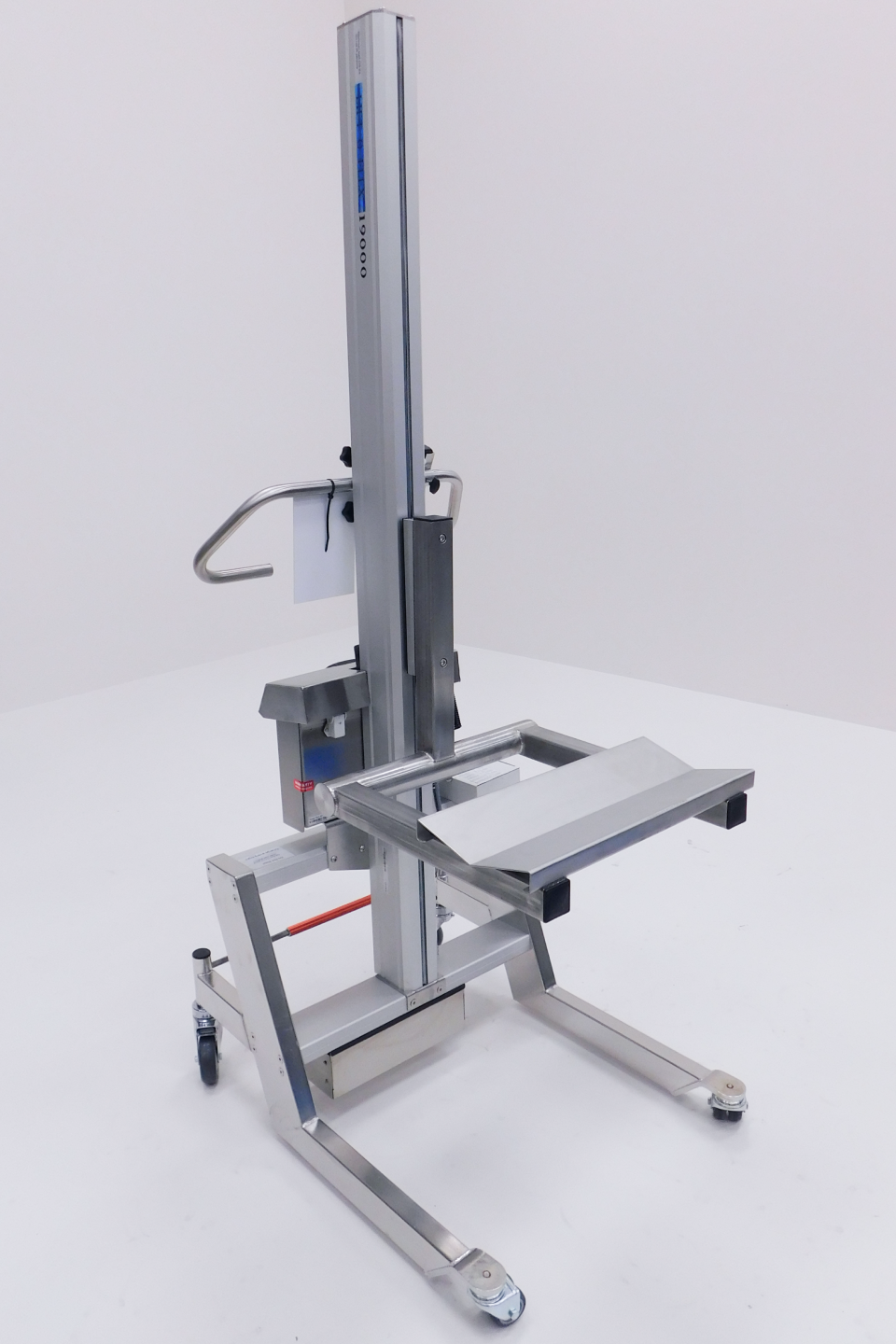
The goal in each project started by identifying the problem the customer faced. Typically, an operator needed a tool to safetly lift a heavy load in their production line because the current operation was not ergonomic, not efficint or was non-existent. The intention in design was to utilize in-house parts of current lifter product lines and combine them with new custom parts catered to the application of the customer.
Story Board
Identify Problem
Meet with investors and sales to understand and identify the return on investment goals by communicating the constraints and needs of the customer.

Ideate Solutions
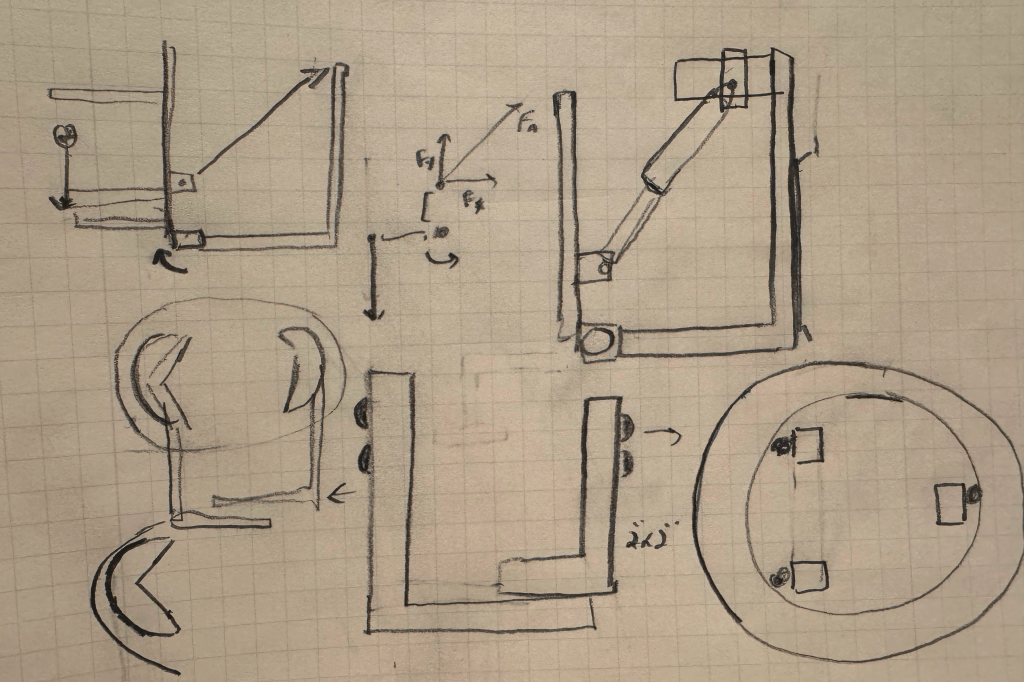
Brainstorm multiple conceptual solutions with engineering team. Sketch out possible designs and research similar applications and tooling applications.
Design & Model
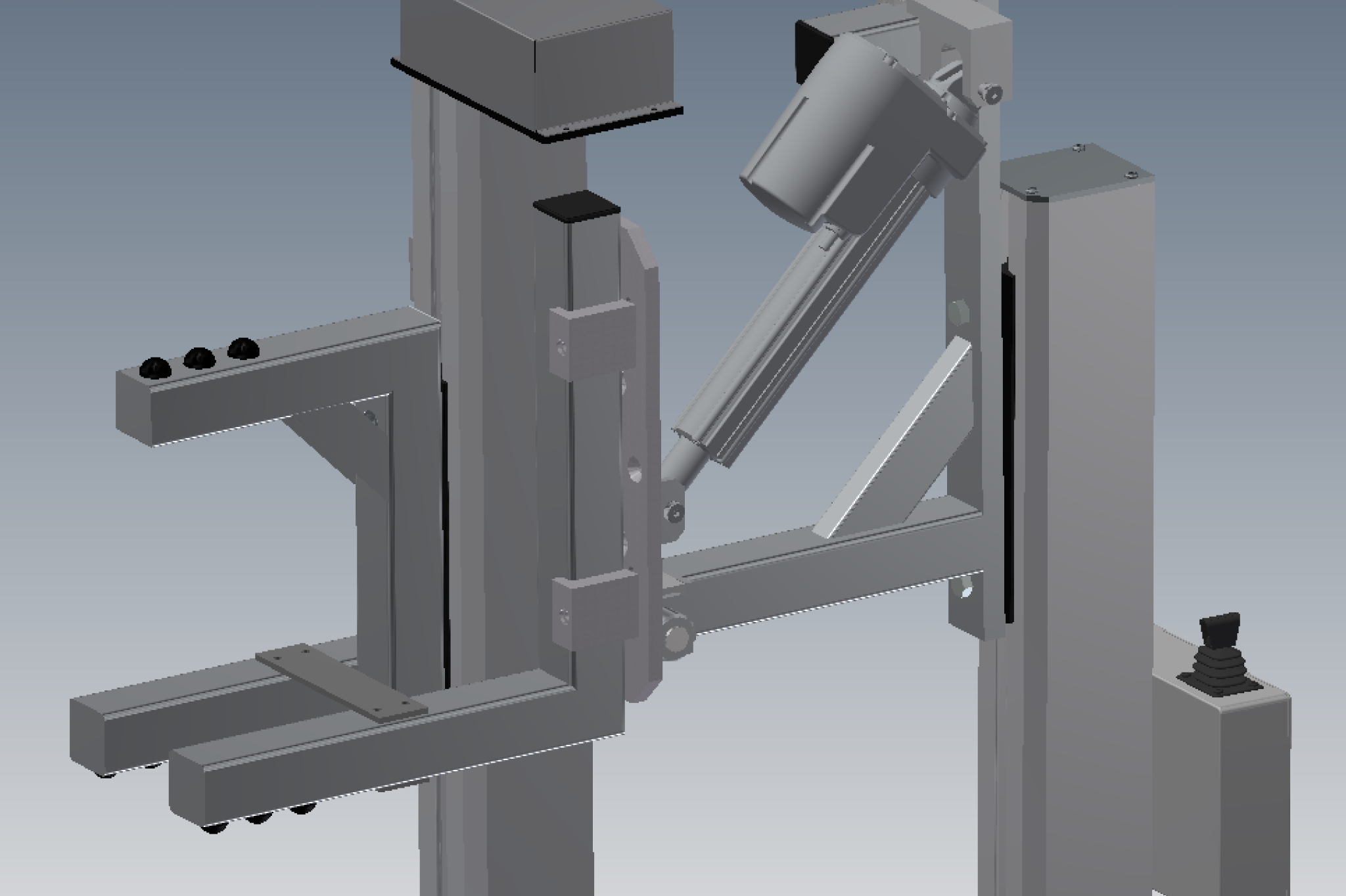
Iterate on design solutions that meet fabrication and project requirements. Create CAD representation and drawing to clearly communicate to the investors.
Design Review
Conduct a design review with sales and investment team to receive feedback on the proposed solution. Approved drawings move to production.
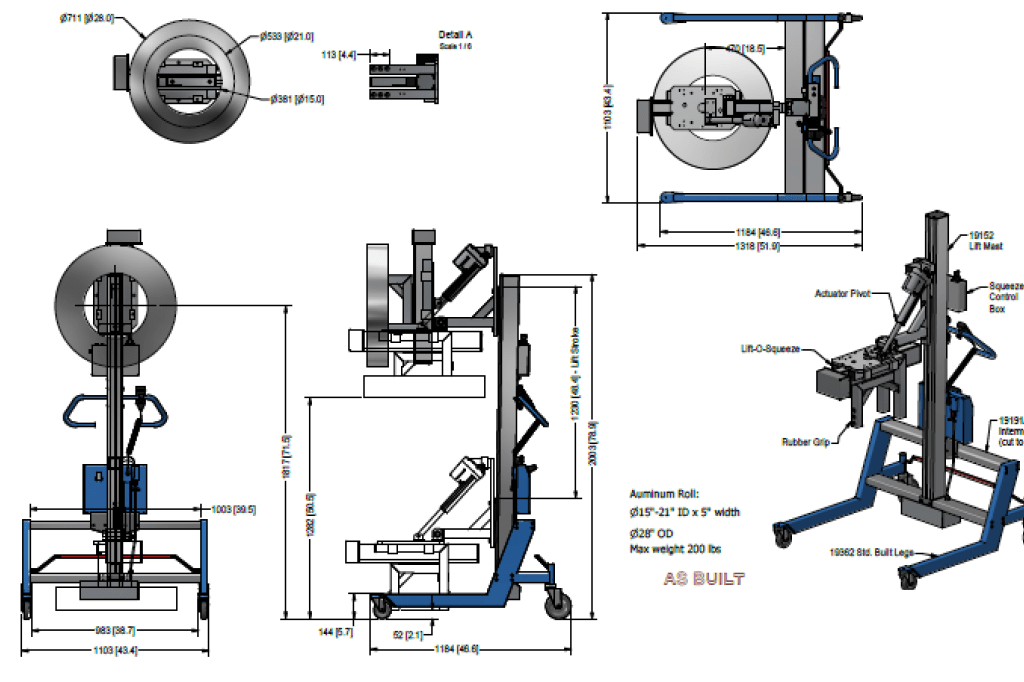
Fabrication
Produce fabrication drawings and finalize assemblies. Work with machine shop and vendors to meet project timeline deliverables.
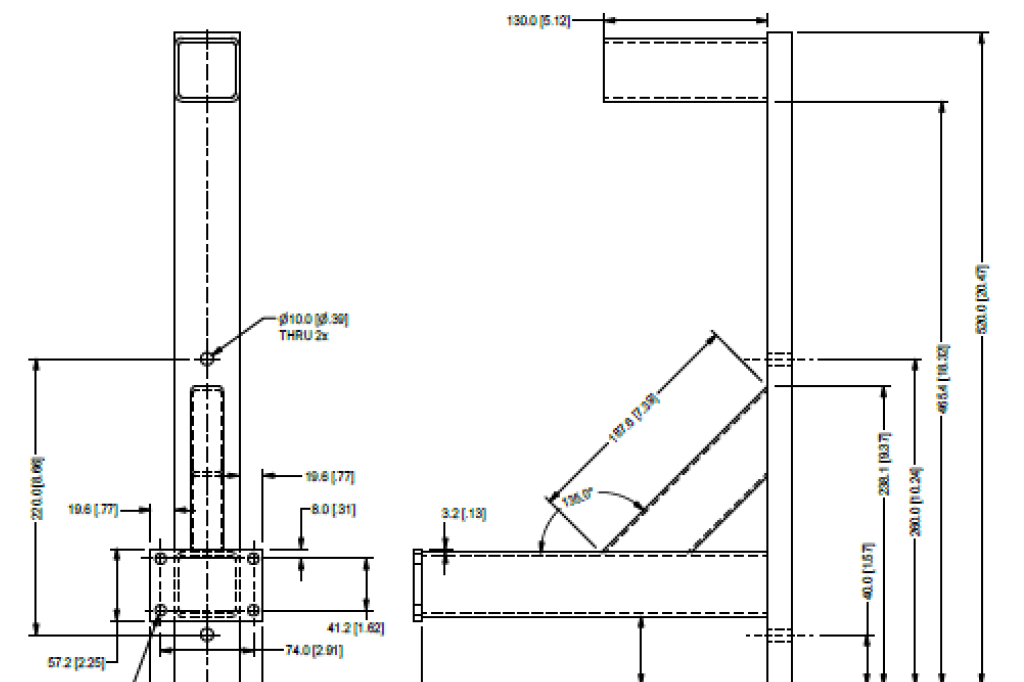
Test & Document
Conduct testing and quality assesment of final product. Recieve any user feedback while evaluating and documenting the design for future reference.
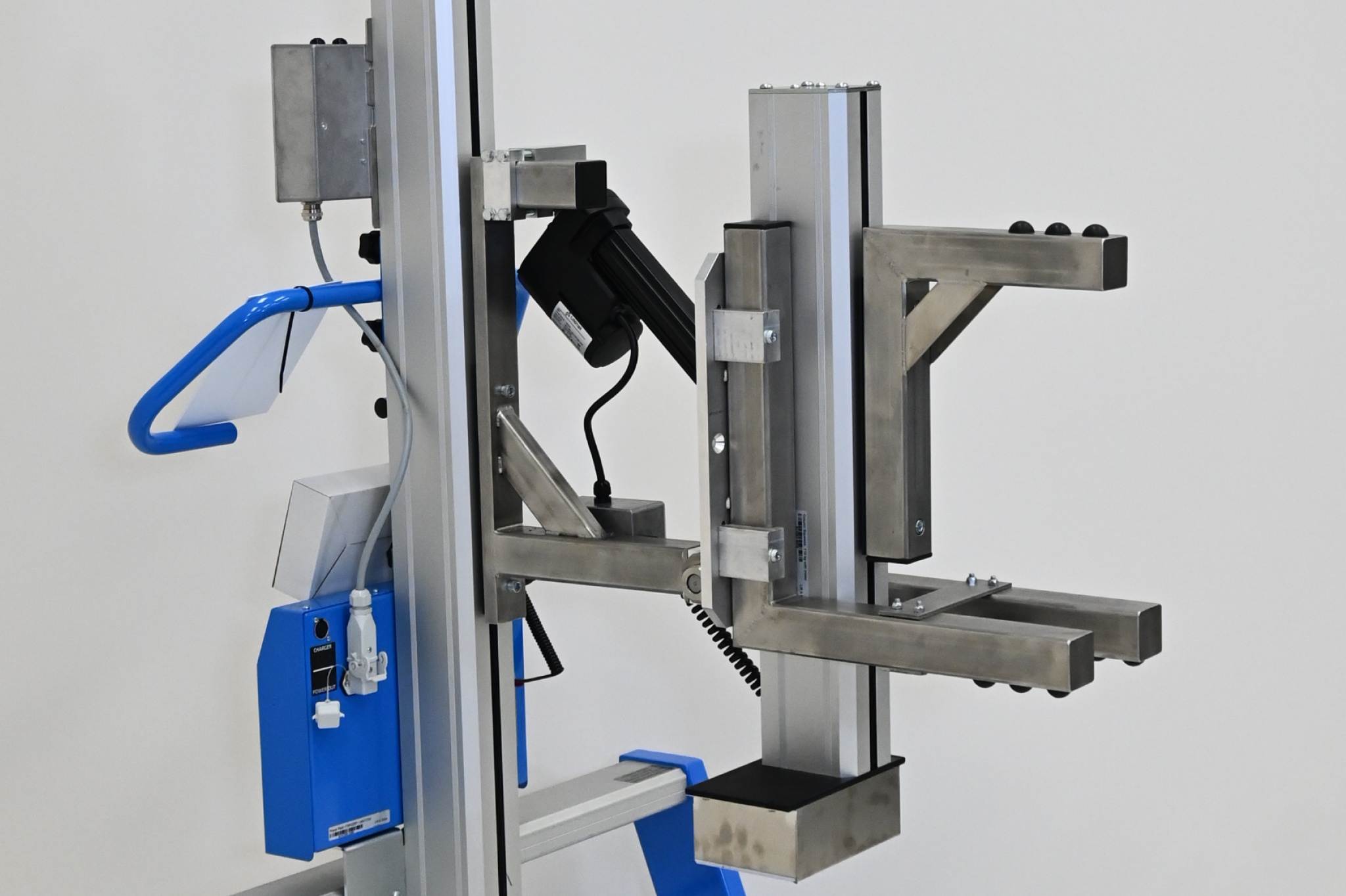
Results
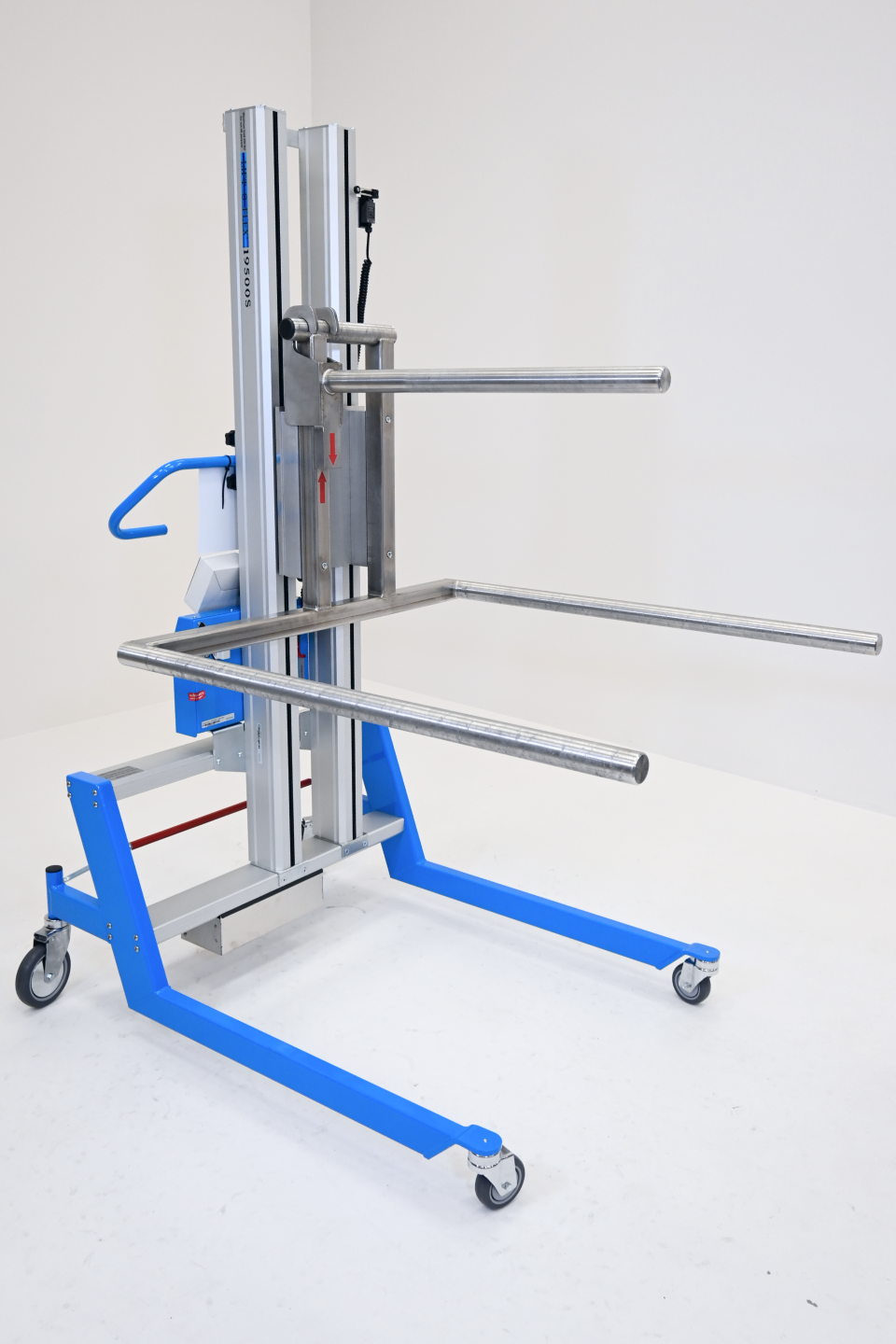
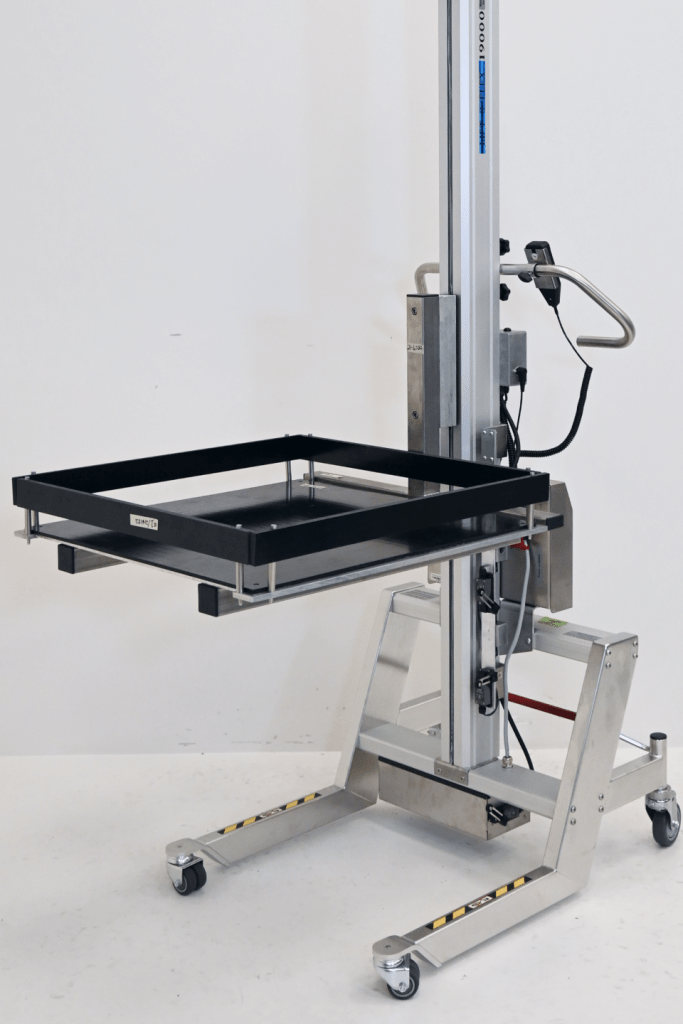
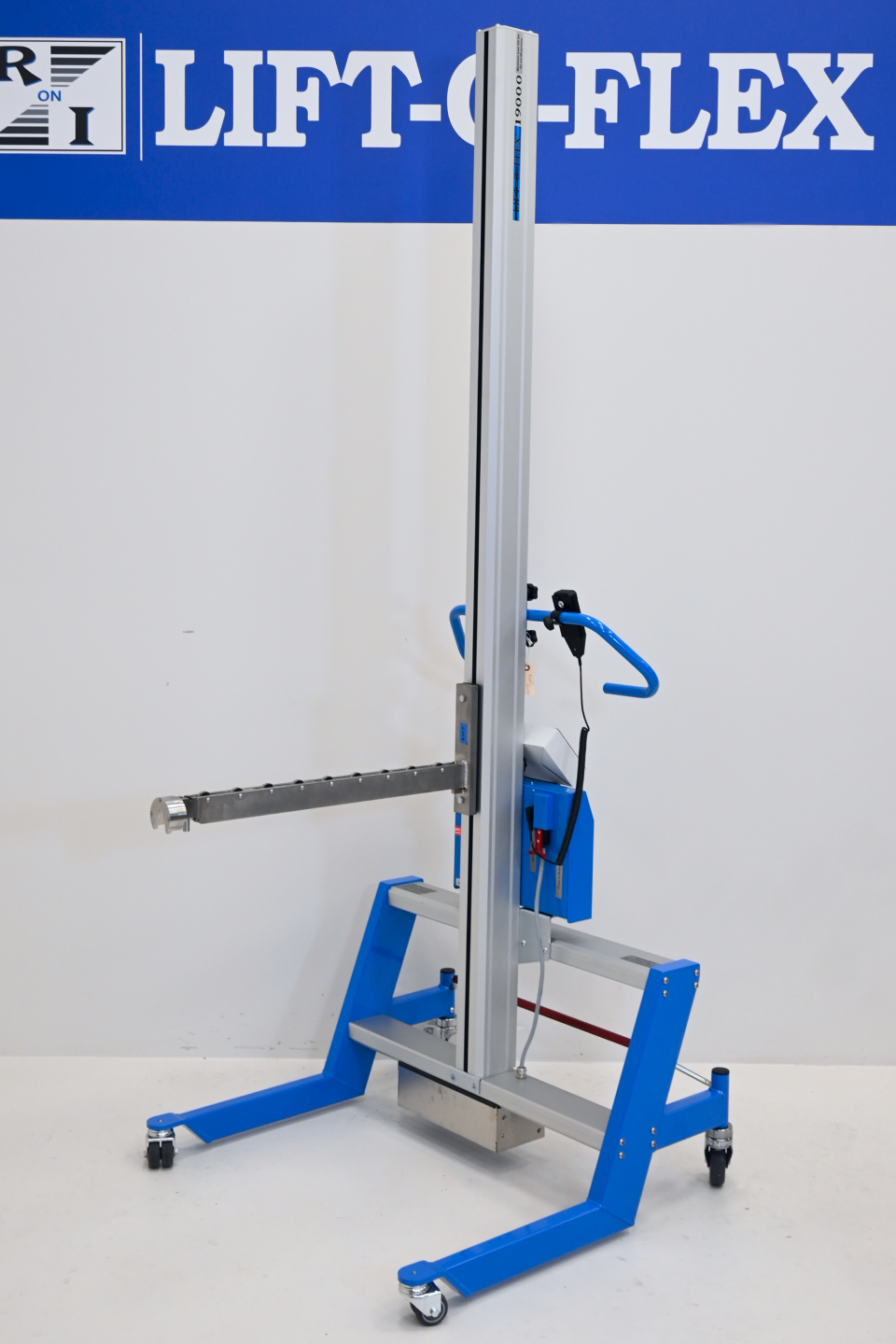
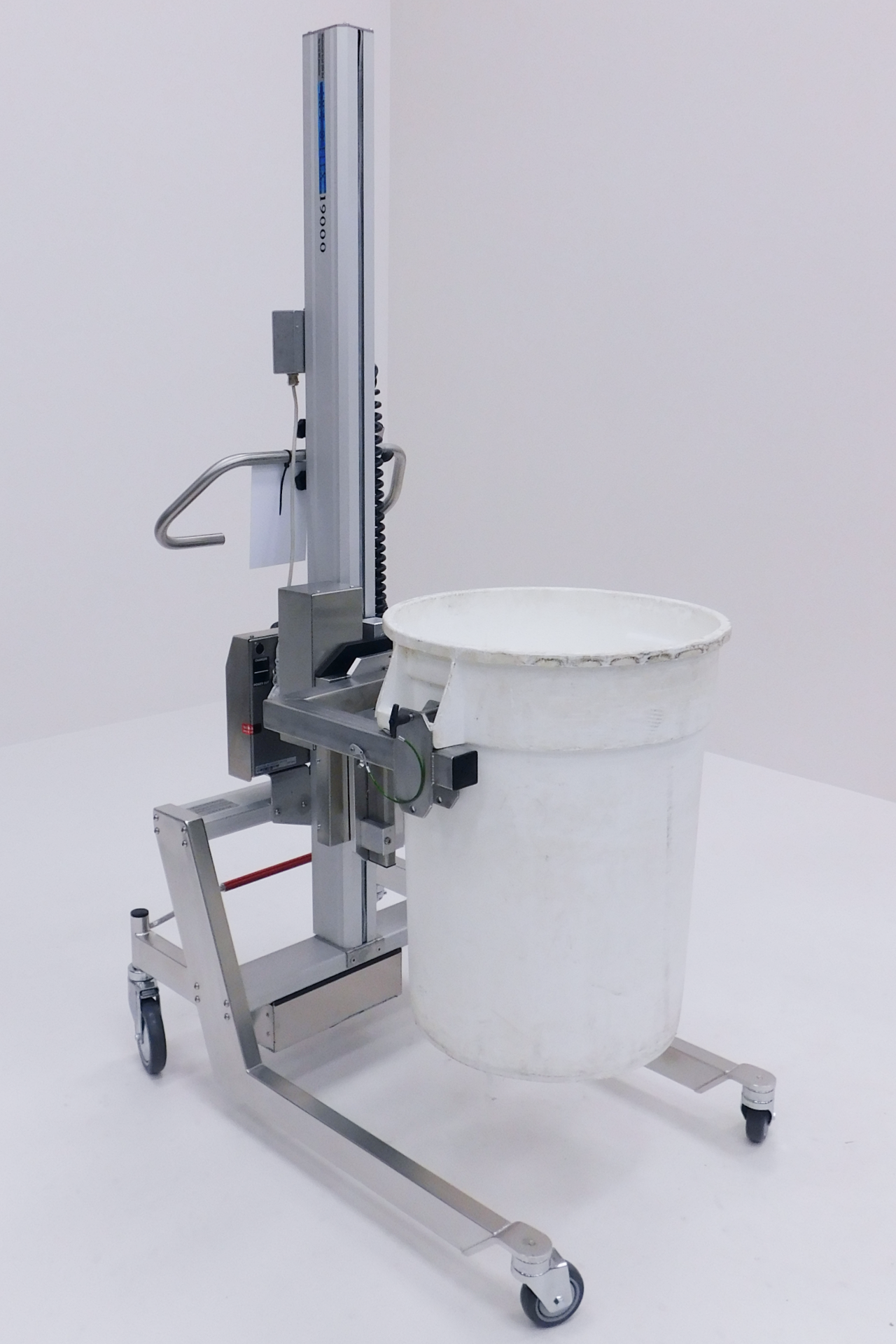
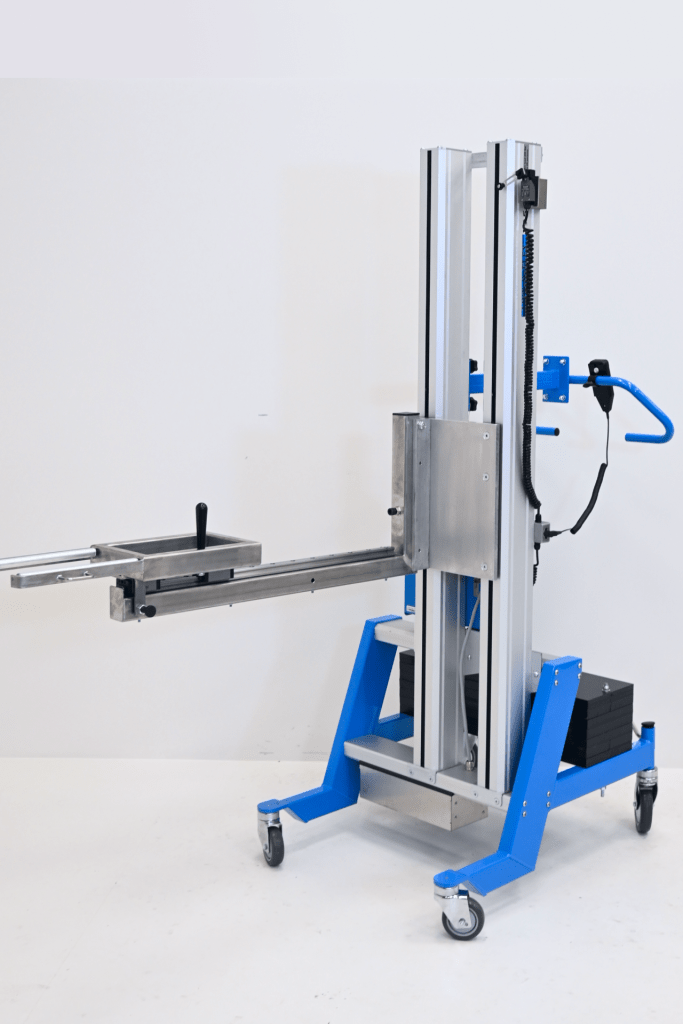
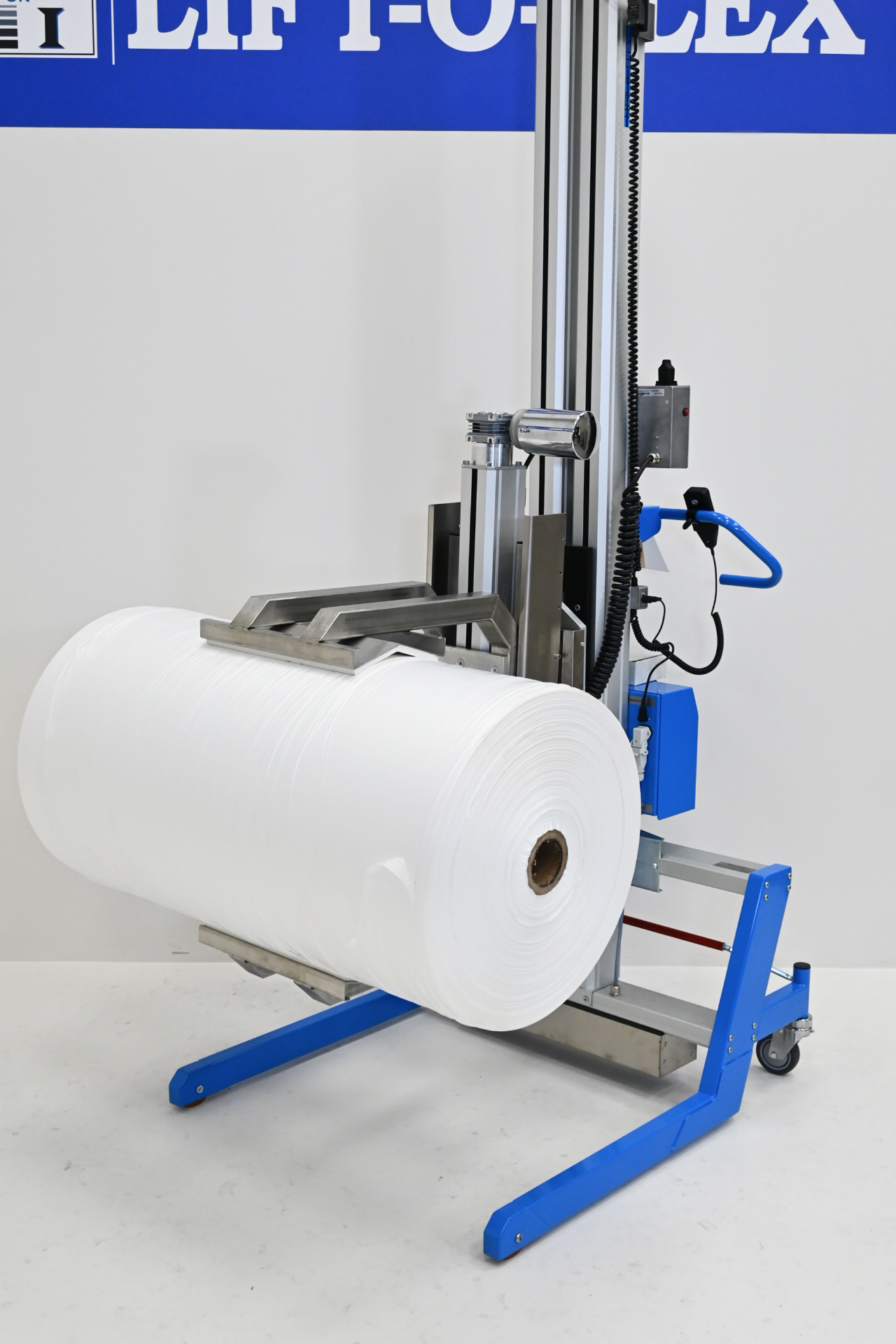
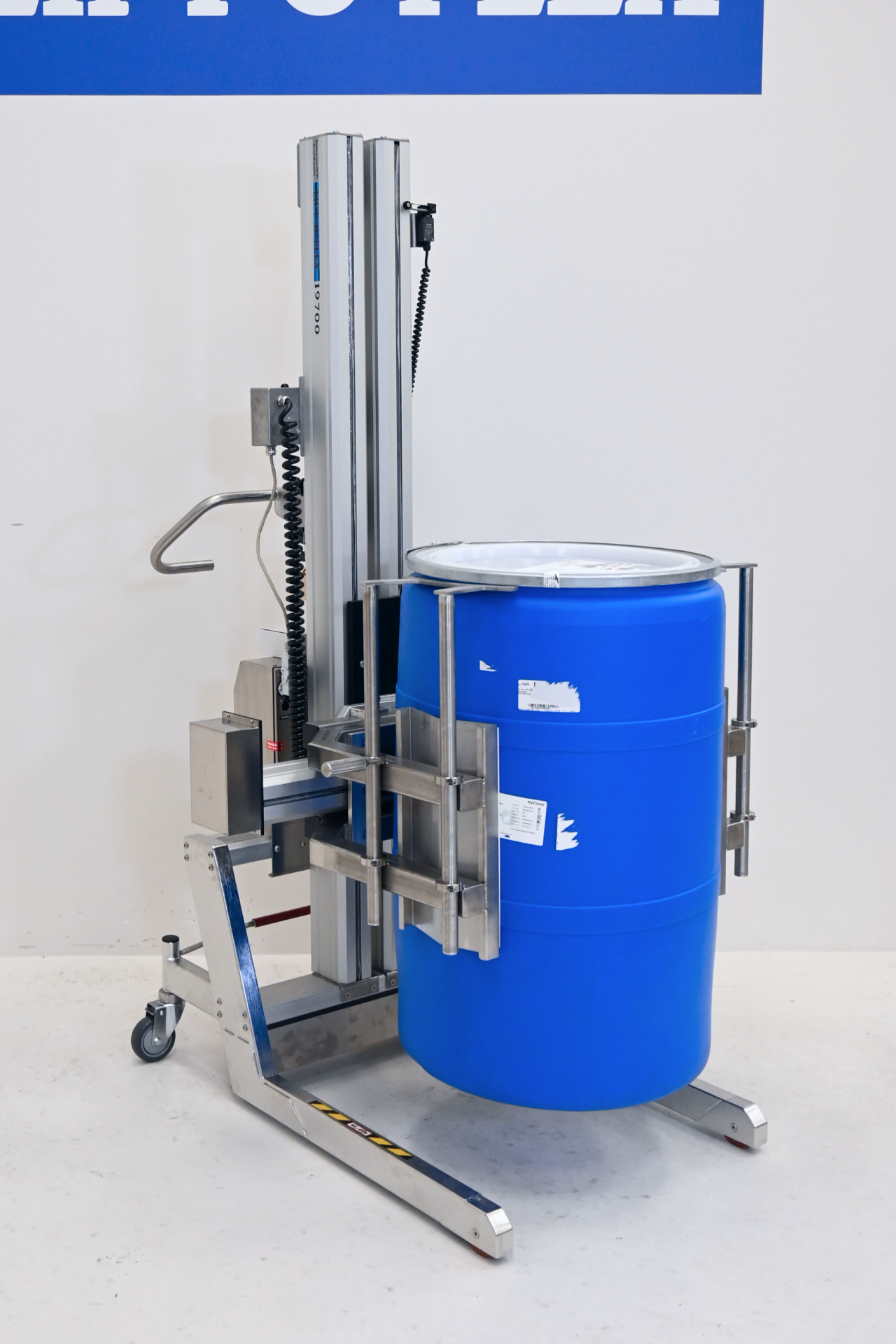
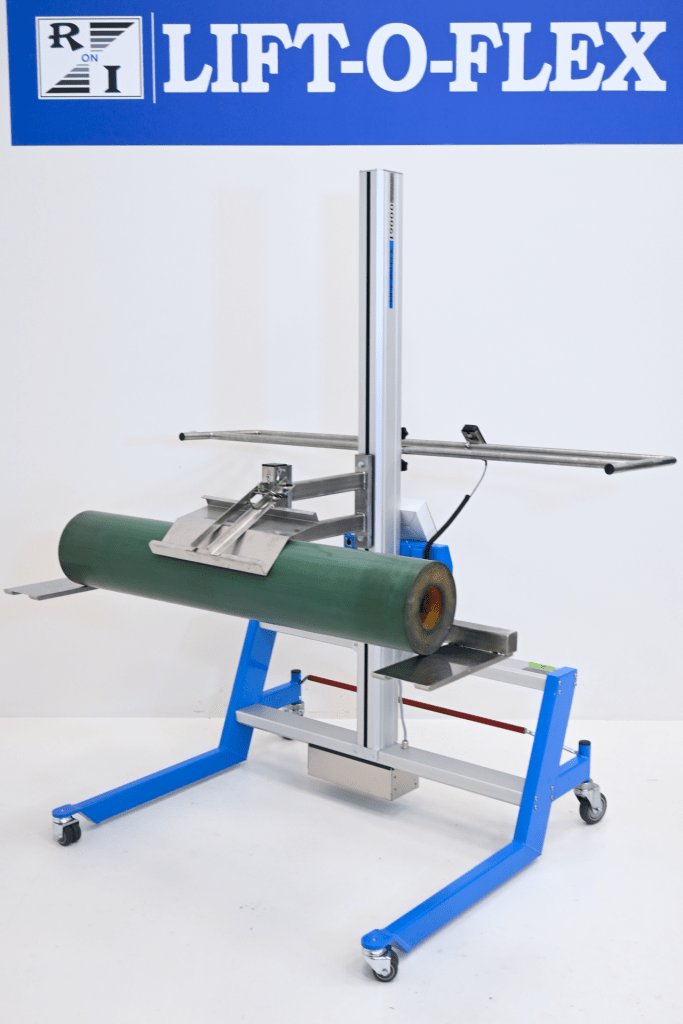
Seeing problems customers commonly faced pushed the iterative design process into standardizing typical solutions. New applications lead to the research and developement of new product lines that fit niche industries. The lifter products designed were grouped in stages of weight capacites as well as tooling group. The lightest lifter line lifted up to 200 lbs while the largest maxed out at 700 lbs. The tooling designs were mainly grouped by which orientation the material needed to be manipulated in. Simple tools only lifted vertically while others manipulated the product by reaching out, rotating and tilting precisily. All of the problems solved were done through communication, teamwork and design.
Conclusion
The need for ergonomic solutions in material handling industries are increasing as well as the demand to lifter heavier amounts of materials. Whether its quicly expediting a new product line or optimizing a current process, investors look for products that can fit their specific needs under budget. This leads to innovative new products that give a return on financial investment as well as improve the life of every day operators.
See more of my designs!




 Caleb's Design Portfolio